
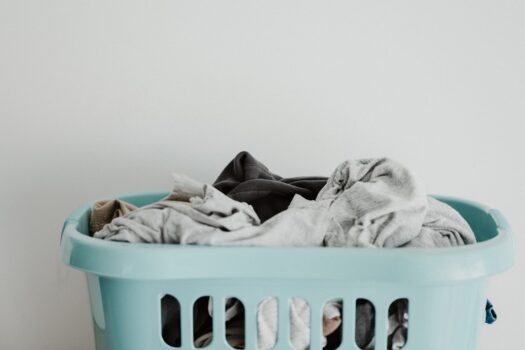
A cleaner laundry routine doesn’t have to mean extra work or expensive swaps. Small, practical changes — choosing safer products, protecting textiles, and improving storage and drying habits — keep clothes fresher, extend fabric life, and reduce irritants in your home.
Below are simple, actionable swaps you can make today that improve laundry results, save time, and protect sensitive skin and indoor air quality.
Why start with non-toxic products
Many conventional laundry products contain fragrances, dyes, and harsh surfactants that can irritate skin, damage fabrics, and leave residues. Switching to safer options reduces those risks and often improves cleaning performance. Explore options from the site’s Non-Toxic Laundry Products category to find detergents and additives formulated without common irritants.
Choose concentrated, plant-based detergents
Concentrated, plant-based detergents clean well at lower doses and rinse out more completely, which means fewer residues on clothes and in your machine. For a ready-made, trusted option, consider the Biokleen Natural Laundry Detergent — it’s concentrated, fragrance-free options are gentle on skin and effective on everyday soils.
Pre-treat stains with safer cleansers
Instead of oxygen- or chlorine-based harsh solutions, use non-toxic cleaners for spot treatment and pre-soaking. Look for enzyme-based or plant-derived pre-treaters that break down proteins, oils, and grass stains without aggressive chemistry. The Non-Toxic All Purpose Cleaners category has products that double as gentle pre-treaters for clothing and upholstery, minimizing risk to fabric while removing spots.
Rethink fabric softeners: swap to alternatives
Liquid fabric softeners and scented dryer sheets leave residues that reduce absorbency and can irritate sensitive skin. Swap to wool dryer balls, vinegar in the rinse cycle (white distilled vinegar, not specialty scented blends), or skip softener entirely when washing towels. These alternatives soften without coating fibers or adding persistent fragrances.
Protect pillows and reduce washing frequency
Using washable, protective covers on pillows keeps sweat, oils, and spills from reaching inner fills — so you wash less and preserve pillow life. Consider switching to Hypoallergenic Pillow Covers that are machine-washable and breathable; they make quick, targeted cleanings possible without laundering the whole pillow frequently.
Guard your mattress with breathable protectors
A mattress protector blocks stains and allergens from reaching the mattress so you can spot-clean a cover instead of stripping sheets and washing the mattress or replacing it sooner. Breathable, organic options help maintain airflow and comfort — check the Organic Mattress Protectors collection for durable, washable choices that cut down on deep-washing needs.
Choose washable textiles you can launder often
When possible, pick linens and throws designed for frequent washing. Natural fibers that tolerate machine cycles extend freshness without fragile care. Swapping synthetic or dry-clean-only throws for Washable Cotton Blankets makes it easy to launder bedding items on a schedule, keeping dust and allergens low.
Store off-season clothes properly to reduce odors and wash needs
Compressing and protecting garments between seasons keeps them clean and reduces dust accumulation, cutting the number of times you need to launder seldom-worn items. Use quality storage that preserves fabric structure — for bulk storage, consider No-Pump Vacuum Storage Bags to save space while keeping textiles sealed and protected.
Monitor humidity and dry smarter
Drying clothes inside on humid days increases mold and mildew risk on textiles and in the home. A simple humidity monitor helps you choose the best drying strategy—outdoor line-drying when humidity is low, or using a dryer/dehumidifier when it’s high. Check the Humidity Monitors selection to add a small sensor to your laundry routine and prevent damp smells and mildew.
Small machine-care swaps that pay off
Run an empty hot cycle with a cup of distilled white vinegar or a machine-safe cleaner monthly to clear residues. Wipe the door seal and detergent drawer after use and leave the washer door open between loads to discourage mold. Using lower doses of concentrated detergents reduces buildup and keeps machines cleaner longer.
- Swap to non-toxic, concentrated detergent (use less than the bottle suggests).
- Pre-treat stains with enzyme-based cleaners, not chlorine bleach.
- Use pillow and mattress protectors to reduce full-item laundering.
- Choose washable cotton blankets and durable linens for frequent washing.
- Store off-season clothes in vacuum or sealed bags to limit dust and odor.
- Monitor humidity to decide when to line-dry vs. machine-dry.
These swaps are low-cost, practical, and focused on reducing chemical exposure, saving time, and extending the life of fabrics. Start with one change — like a non-toxic detergent or pillow cover — and add another each month until the new routine feels effortless.
FAQ
- Q: Will non-toxic detergents clean as well as conventional ones?
A: Yes—concentrated, enzyme- or plant-based detergents remove common soils effectively, especially when matched to water temperature and pre-treating stains. - Q: Can I use vinegar as a fabric softener for all fabrics?
A: White distilled vinegar is safe for most washable fabrics and helps rinse residues, but avoid on delicate items labeled “do not use” and don’t mix with bleach. - Q: How often should I wash pillows and mattress covers?
A: Pillow covers and mattress protectors can be washed every 1–3 months; pillow inserts depend on material but typically every 4–6 months unless soiled. - Q: Are vacuum storage bags safe for wool, leather, or delicate items?
A: Use vacuum compression cautiously: avoid long-term compression of natural fibers like wool, and don’t store leather or fur compressed — use breathable storage for those. - Q: How does humidity monitoring improve laundry results?
A: Monitoring indoor humidity helps you choose drying methods that prevent mildew and damp odors — lower humidity favors line-drying, high humidity suggests using a dryer or dehumidifier.
Products Featured in This Article
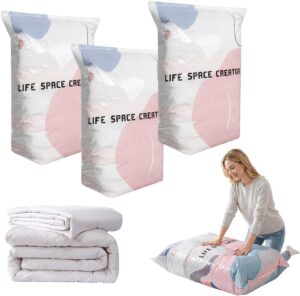
No-Pump Vacuum Storage Bags, 2026 N…
HOW TO USE STEP 1: Place the quilt or clothes into the storage bag. STEP 2:…

Biokleen Natural Laundry Detergent …
Combines the natural cleaning power of plant-based surfactants with extracts of citrus and grapefruit seed for…