
How to Choose Safer Products Without Falling for Greenwashing
Greenwashing — polished buzzwords, pretty labels and vague claims — makes choosing safer products harder, not easier. The good news: you don’t need perfect knowledge to make better choices at home. You need a few practical checks, reliable product categories to trust, and shopping habits that block marketing spin.
This guide breaks down clear steps and real product types to look for so you can reduce toxic exposures, support honest brands, and feel confident in everyday swaps.
What greenwashing looks like
Greenwashing uses ambiguous language (“natural,” “eco-friendly,” “plant-based”) or selective facts (highlighting one benign ingredient while hiding harmful ones). It can appear on everything from cleaners to baby gear. Recognizing common tactics — vague claims, missing ingredient lists, self-issued badges, and stock photos of nature — is the first defense.
Start with your priorities
Before you buy, list the top outcomes you want: fewer fragrance chemicals, no PFAS in cookware, safer sleep surfaces for kids, or biodegradable packaging. A short priority list helps you evaluate claims quickly and avoid impulse buys based on vague marketing.
Read labels the practical way
Focus on three things on product labels: full ingredient lists, clear usage directions, and durable certifications. If a cleaner or personal product hides ingredients behind “proprietary blend,” treat that as a red flag. For household products like cleaners, prioritize categories with transparent formulations such as Non-Toxic All Purpose Cleaners — they make ingredient checks straightforward.
Meaningful certifications and what they actually mean
Not every badge is equal. Look for third-party verification (e.g., certifications from recognized nonprofit labs) rather than in-house seals. Certifications that test for specific toxicants or standards are more useful than generic “green” labels. When a product cites testing, confirm which contaminants or criteria were evaluated and whether the claim is relevant to your needs.
Simple product checks before you buy
Use quick heuristics at the shelf or product page: scan for a full ingredient list, check for fragrance-free options (fragrance often masks synthetic chemicals), and avoid long, unpronounceable chemical lists when safer alternatives exist. For laundry or fabric care where residues matter, choose categories designed for gentler formulations like Non-Toxic Laundry Products.
Smart swaps: durable, simple, low-chemical options
Swapping single-use or heavily processed products for reusable or minimally treated items reduces your exposure and often saves money. For grocery trips, switch to sturdy, washable options such as Reusable Grocery Bags instead of thinner plastic bags. For food storage choose plastic-free coverings like Plastic-Free Food Wraps, which avoid the chemicals commonly found in single-use plastics.
Bedroom and sleep: choose protectors and materials wisely
Bedding can trap dust, allergens and chemical finishes. Use protective layers and washable fabrics to cut contact and accumulation. Consider high-coverage protectors that are waterproof and hypoallergenic when needed — for example, mattress protectors tested for barrier performance like the SureGuard King Size Mattress Protector. Pair those with breathable, low-chemical sheets and covers for best results.
Test and monitor real exposures at home
Marketing can’t replace measurement. Simple tests and monitors tell you what’s actually in your water and indoor air. If you’re concerned about drinking water contaminants, use certified home kits or lab tests; a widely used option is an advanced at-home kit such as the Advanced Home Water Test Kit. For routine filtering, a vetted pitcher can reduce common contaminants — consider models like the Brita Large 10-Cup Water Filter Pitcher for basic chlorine and taste issues.
Indoor air: simple tools and actions
Indoor humidity and ventilation affect mold, dust mite populations, and chemical volatility. Monitor humidity and use dehumidifiers or ventilation when needed; a small monitor can guide action. Consider adding a dedicated device such as a Humidity Monitors to track levels and maintain a healthier indoor environment.
Buying for kids and sensitive people
Products for babies and children should have the highest transparency. Favor simple materials and brands that publish full safety data. When choosing toys and dishware, prefer categories designed to be low-tox and free of common problem chemicals. For mattresses and bedding, look for organic or certified protectors and materials that avoid flame retardants and unnecessary finishes.
Shopping habits to avoid greenwash
Don’t equate price with safety. High price can reflect branding, not chemistry. Avoid impulse purchases driven by packaging; instead, pause and check the ingredient list or product category. Keep a short trusted-brand list and cross-check new products against that list before buying.
Small checklist: quick pre-purchase rules
- Is there a full ingredient list? If not, skip it.
- Does the claim cite a third-party standard or lab test? Prefer those over vague badges.
- Is there an obvious replacement that’s simpler (e.g., reusable bags, beeswax wrap, washable textiles)? If yes, prefer the simpler option.
- For water and air concerns, test first then choose targeted solutions (filters or monitors).
- When buying bedding or sleep products, favor waterproof/hypoallergenic protectors and washable materials like reliable mattress protectors.
FAQ
- Q: How can I tell if “natural” actually means safe?
A: “Natural” is not regulated. Look for ingredient transparency and independent testing rather than the word itself. - Q: Are fragrance-free products always better?
A: Fragrance-free is generally safer because fragranced products often mask multiple synthetic chemicals. Check formulations for other additives. - Q: Should I trust small brands more than big brands?
A: Size isn’t a guarantee. Trust transparency: full ingredient lists and third-party certifications matter more than brand size. - Q: Which household product categories are easiest to switch to safer versions?
A: Cleaners, laundry products and reusable storage/food wraps are high-impact and typically straightforward to replace with safer alternatives like Non-Toxic Laundry Products and Eco-Friendly Storage Bags. - Q: How often should I test my water or indoor air?
A: Test water if there are changes in taste, after plumbing work, or annually for wells. Monitor indoor humidity seasonally or when occupants have symptoms.
Choosing safer products is a mix of skepticism and simple systems: prioritize transparent ingredient lists, prefer proven categories (reusable, washable, low-chemical), measure when you can, and keep a short checklist to make fast decisions. Small, consistent swaps add up — start with one room or category and build a trusted set of replacements over time.
Practical takeaway: keep a short priority list, insist on full ingredient transparency, and make one swap this week — for example, replace single-use food wrap with a plastic-free option or choose a non-toxic laundry detergent — then monitor the difference over a month.
Products Featured in This Article
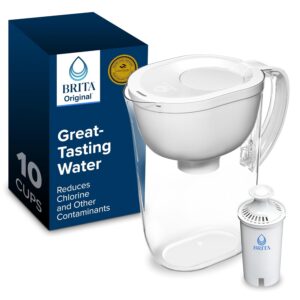
Brita Large 10-Cup Water Filter Pit…
Drink healthier, great tasting tap water with this BPA free Brita 10 cup water pitcher. With…
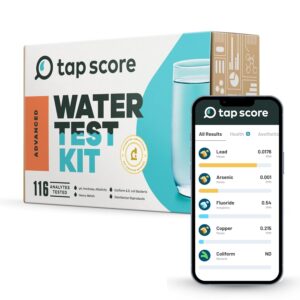
Advanced Home Water Test Kit | Well…
Product description Take care of your home’s health – start by easily testing your water Whether…
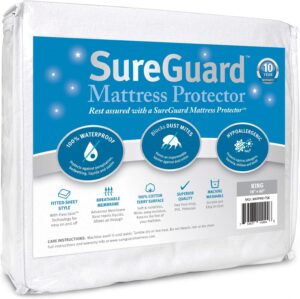
SureGuard King Size Mattress Protec…
Product description Want a Quick and Effective Way to Protect Your Mattress? Look No Further than…