

Everyday Kitchen Habits That Support a Healthier Home
Small, consistent changes in the kitchen make a big difference to indoor air quality, food safety, and overall household wellbeing. This guide focuses on practical habits you can adopt today — no extreme remodeling required.
Below are simple routines, product swaps, and storage strategies that reduce toxins, waste, and clutter while keeping food fresher and surfaces safer for your family.
Keep counters clear and store smart
Cluttered counters collect dust, crumbs, and bacteria. Create dedicated zones for meal prep, small appliances, and pantry overflow. For dry goods and snacks, choose breathable, non-plastic solutions and stackable options to reduce surface contamination and pests. Consider swapping single-use plastic bags for sturdier alternatives like eco-friendly storage bags that are designed for repeated use and safer food contact.
Ditch single-use plastic wrap
Plastic cling film is convenient but contributes to plastic waste and can leach when heated. Replace it with reusable, breathable wraps for sandwiches and coverings that keep food fresh without single-use plastics. Explore warming- and storage-safe options in your everyday routine like plastic-free food wraps to cut disposables and lower long-term exposure to plastics.
Choose safer cookware and avoid nonstick chemicals
Cookware choice affects what ends up in your meals. Opt for well-made ceramic or stainless alternatives and seasoned cast iron for high-heat cooking to avoid PFAS and other nonstick coatings degrading over time. Non-toxic cookware reduces the risk of chemical transfer into food; for everyday use, consider high-quality sets like the Caraway non-stick ceramic cookware, which is designed to be free of PFOA and PFAS commonly found in older nonstick pans.
Tackle scraps and reduce food waste
Keeping food scraps contained makes composting and disposal cleaner and more efficient. Use dedicated countertop containers with liners for peelings and coffee grounds, then move them to an outdoor bin or compost service promptly. If you compost at home, try certified compostable kitchen bags to keep the process tidy and sanitary — for example, compostable food-scrap bags that are designed to break down in commercial or home compost systems.
Clean smarter with non-toxic products
High-traffic kitchen surfaces benefit from effective cleaning, but many conventional cleaners contain harsh chemicals. Choose plant-based or fragrance-minimized formulations labeled for food-contact surfaces and follow dilution guidelines. Stock safer options for daily wipe-downs and tougher cleaning sessions by switching to non-toxic all purpose cleaners that remove grease and grime without heavy solvents or unnecessary additives.
Make your drinking water safer and more accessible
Filtered water at the ready reduces reliance on bottled water and removes common taste and odor issues from tap water. Keep a pitcher or filtration system in the fridge and change filters on schedule to maintain performance. A well-rated option for many households is the Brita 10-cup water filter pitcher, which fits easily in most refrigerators and improves taste while reducing certain contaminants.
Shop and pack with reusables
Habits start when you leave the house. Bring reusable grocery bags and produce pouches to cut single-use plastic and reduce food contamination from public carts. Durable bags dry faster and are easier to clean, lowering mold and bacteria issues. Keep a foldable set in your car or by the door, like trusty reusable grocery bags to make the swap automatic.
Store leftovers safely to extend freshness
Storing cooked food properly reduces spoilage and foodborne bacteria growth. Use airtight, glass-centered storage or certified food-safe reusable bags and wraps; rotate older meals to the front of the fridge and label with dates. If you prefer wax-coated options for sandwiches and bowls, consider long-lasting wraps like the reusable beeswax wrap 9-pack for a plastic-free, washable covering that conforms to containers.
Quick nightly kitchen checklist
- Wipe counters and stove with a non-toxic cleaner.
- Put perishables in the fridge, label leftovers with date.
- Empty the countertop compost container into outdoor bin or compost bag.
- Return reusable grocery bags to their storage spot so they’re ready for the next trip.
- Run a short dish cycle or hand-wash pots used that day to avoid overnight grease buildup.
Conclusion — one practical takeaway
Start with one swap: choose one reusable replacement (wraps, bags, or a filter pitcher) and commit to it for 30 days. Small consistent changes add up — fewer chemicals, less waste, and a cleaner kitchen environment that supports your whole home.
FAQ
Q: How often should I change water filters?
A: Follow manufacturer guidance, typically every 1–2 months for pitchers depending on usage and local water quality.
Q: Are beeswax wraps safe for storing meat?
A: Beeswax wraps are great for bread, cheese, and produce; avoid raw meat and high-moisture foods unless you use sealed, food-safe containers that can be thoroughly cleaned.
Q: Can non-toxic all purpose cleaners handle greasy stove tops?
A: Many plant-based cleaners effectively cut grease when used with warm water and a short dwell time; for stubborn build-up, a gentle scrub with a non-abrasive pad helps.
Q: How do I prevent mold in reusable grocery bags?
A: Air out bags after use, wash or wipe periodically according to the manufacturer instructions, and store them dry to prevent mold growth.
Q: What’s the best way to reduce kitchen odors?
A: Regular trash removal, prompt compost emptying, ventilating while cooking, and keeping a pitcher of fresh, filtered water in the fridge all help reduce lingering odors.
Products Featured in This Article
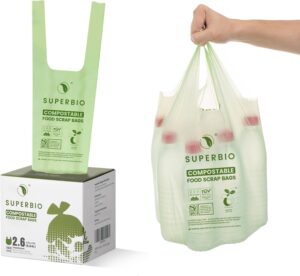
SUPERBIO 2.6 Gallon Compostable Bag…
Product description Important information Legal Disclaimer Statements regarding dietary supplements have not been evaluated by the…
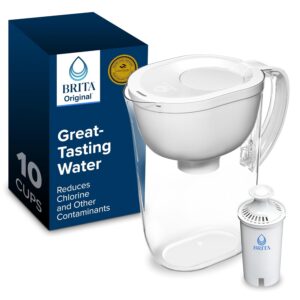
Brita Large 10-Cup Water Filter Pit…
Drink healthier, great tasting tap water with this BPA free Brita 10 cup water pitcher. With…

Reusable Beeswax Wrap – 9 Pac…
Product description Say goodbye to plastic wraps, BYTTME beeswax food wrap is a perfect natural alternative…
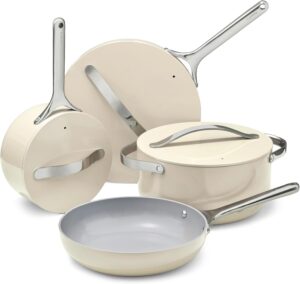
Caraway Non-stick Ceramic Cookware …
From the brand Dress Up Your Kitchen Dress Up Your Kitchen 12-PIECE COMPLETE COOKWARE SET: Includes…