Creating a cleaner, healthier home doesn’t require a complete overhaul. Small, consistent changes—picking safer products, improving air and water quality, and adopting practical cleaning habits—add up quickly.
This guide gives clear, actionable steps you can start this week. Focus on the areas that impact daily health most: air, water, fabrics, and personal-care products.
Start with the air you breathe
Indoor air can contain dust, allergens, volatile compounds and pet dander. The first practical step is monitoring your home’s air so you can prioritize fixes. An indoor air quality monitor helps you spot problem rooms and times of day, and shows whether ventilation changes or air cleaning are working.
Control moisture to prevent mold
Moisture drives mold and dust mite growth, which worsen allergies and respiratory irritation. Use exhaust fans when cooking and showering, dry wet items promptly, and consider targeted dehumidification for basements and bathrooms. If humidity is an ongoing issue, look into dehumidifiers for home to keep relative humidity between 30–50% and reduce mold risk.
Make smarter water choices
Tap water quality varies by location. For many households a simple, affordable step is a countertop or pitcher filter to reduce taste and common contaminants. A reliable water filter pitcher is easy to use and good for renters or kitchens without space for heavy installations.
Beyond filtration, cut single-use plastic and avoid leaching by carrying a reusable glass water bottle at work, school, or on walks. Glass preserves taste, is easy to clean, and reduces microplastic exposure from disposable bottles.
Consider under-sink filtration for persistent concerns
If you want more thorough removal of contaminants (lead, sediment, or specific chemicals), a point-of-use under-sink filter provides higher performance than a pitcher. Installing an under sink water filter gives cleaner drinking and cooking water at the source without changing daily habits.
Choose safer cleaning and personal-care products
Conventional soaps and cleaners often contain fragrances, preservatives, and surfactants that irritate sensitive skin and pollute wastewater. Swapping to simple, plant-based options reduces exposure and is kinder to plumbing. Try natural bar soaps for hands and body—they work well, generate less packaging, and are often gentler on skin than highly scented liquid products.
Upgrade laundry and linens thoughtfully
Laundry can introduce concentrated chemicals into the home through detergents and fabric treatments. Use non-toxic laundry products to reduce residues on clothing, bedding, and towels. Pair safer detergents with breathable, low-chemistry textiles—for example, swap synthetic towels for organic cotton towels to cut back on finishes and microfibers.
Adopt practical cleaning habits
Routine habits matter more than perfect products. A few practical routines deliver big returns:
- Dust high surfaces weekly with a damp microfiber to trap particles instead of redistributing them.
- Vacuum with a HEPA or high-efficiency filter at least once a week in active rooms.
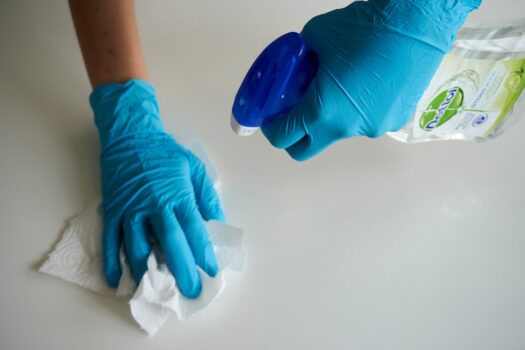
- Spot clean spills immediately and launder contaminated fabrics to prevent odors and bacteria buildup.
- Use exhaust fans when showering and cooking; open windows for brief ventilation on dry, mild days.
Checklist: Quick swaps and actions to start this week
- Buy or borrow an indoor air quality monitor to get baseline readings.
- Set a dehumidifier or run bathroom fans for 20 minutes after showers; consider a dehumidifier for damp areas.
- Switch one water source to filtered water with a water filter pitcher.
- Replace single-use bottles with a glass water bottle.
- Try one natural bar soap for handwashing and body.
- Swap to non-toxic laundry products and use cooler wash settings.
- Update a towel set to organic cotton towels—wash them before first use.
FAQ
- How often should I test my indoor air?
Check continuously if using a monitor, otherwise spot-check after a week of normal activity and after major changes like remodeling or new furniture.
- Are water filter pitchers enough for lead?
Some certified pitchers reduce lead, but if you have lead plumbing, an under-sink filter certified for lead removal or professional remediation is safer.
- Do natural soaps really clean as well as liquid body wash?
Yes. Natural bar soaps with simple, clean ingredients remove dirt and oils effectively while reducing plastic waste and fragrance exposure.
- Will switching detergents affect allergies?
Many people see improvement when switching to fragrance-free, dye-free, plant-based detergents. Washing bedding in hot water periodically also reduces allergens.
- When should I use a dehumidifier?
If a room feels clammy, shows condensation on windows, or you see visible mold or mildew, a dehumidifier can help restore safe humidity levels.
Practical takeaway: prioritize monitoring and one simple swap this week—air, water, or a laundry/product change—and build from there. Small, consistent improvements create a noticeably cleaner, healthier home over time.