How to Build a Healthier Home One Product at a Time
Small, strategic changes to the products you bring into your home add up quickly. Replacing a few high-impact items — what you clean with, how you store food, what your family sleeps on — can reduce common sources of indoor irritation and exposure without a full renovation.
This guide breaks those choices down into practical, realistic swaps. Use it as a checklist for upgrades you can make this month, this season, and over time to create a safer, calmer living environment.
1. Start with water: test and filter what you drink
Clean drinking water is one of the simplest health improvements you can make. Before buying filters, test your tap water to identify contaminants so you choose the right solution. For many households, a reliable countertop pitcher is an immediate, low-effort improvement that reduces chlorine, taste and some metals while being inexpensive and easy to maintain.
For an accessible everyday option, consider a trusted pitcher model that fits families and refills quickly: Water Filter Pitchers.
2. Kitchen swaps that reduce plastics and toxins
Food storage and cookware are high-impact places to choose safer materials. Replace single-use plastic and nonstick surfaces with alternatives designed for repeated use and lower chemical risk. For storing leftovers, switching from plastic wrap to plant- or wax-based wraps helps cut steady low-level exposure to plasticizers and reduces waste.
Try sustainable, food-safe options such as Plastic-Free Food Wraps for sandwiches, leftovers and covering bowls.
3. Rethink reusable storage: silicone and cotton solutions
Reusable bags and wraps are convenient, but quality matters. Look for thick, food-grade silicone that’s dishwasher-safe and free of BPA and phthalates. For produce and dry goods, cotton or mesh options reduce microplastic shedding and are washable.
A durable, multi-use option worth adding to your kitchen kit is Reusable Silicone Food Bags, which can replace many single-use plastic bags in meal prep and freezing.
4. Clean smarter: non-toxic cleaners and surface care
Conventional cleaners often contain fragrances and solvents that irritate lungs and skin. Replace those with plant-based, enzyme or simple acid/base formulas that clean effectively without persistent chemical residues. Concentrated products reduce packaging waste and cost per clean.
Look for EPA Safer Choice, fragrance-free labels or probiotic enzyme cleaners for odors and organic soils. For daily surface cleaning, swap to Non-Toxic All Purpose Cleaners to maintain hygiene with fewer irritants.
5. Laundry and textiles: protect sleep and reduce allergens
What you wash with and what you sleep on affect skin and respiratory comfort. Switch to plant-based detergents and avoid fabric softeners with synthetic fragrances. Wash bedding regularly in hot water if tolerated, and choose breathable natural fibers for sheets and blankets.
For cleaner washing and gentler fabrics, consider swapping to certified formulations and natural bedding options. Start with safer detergents and upgrade sleep layers as needed: Non-Toxic Laundry Products.
6. Better bedroom basics: protect mattress and bedding
Mattress protectors and breathable sheets serve two roles: they guard against spills, dust mites and allergens, and they improve sleep hygiene. Hypoallergenic, organic covers and natural-fiber sheets reduce chemical finishes and off-gassing that some people react to.
One easy swap is to add a certified natural barrier between you and your mattress: Organic Mattress Protectors can extend mattress life and lower exposure to dust and irritants.
7. Nursery and kids: prioritize simple, tested items
Young children have more contact with products and put things in their mouths, so choose items with clear safety credentials. Avoid plastic bottles and sippy cups with unknown plasticizers; prefer simple, BPA-free or stainless-steel options and certified baby gear without added fragrances or flame retardants.
For feeding and bottles, pick vetted, low-chemical choices such as Non-Toxic Baby Bottles to reduce early-life exposures and make daycare handoffs easier.
8. Smart storage and decluttering: materials matter
How you store clothing, linens and food affects indoor air and pest risk. Swap disposable zip bags and chemically treated boxes for high-quality, breathable or non-toxic storage. Vacuum compression is useful, but pay attention to off-gassing in tightly sealed, long-term storage.
Choose reusable, plastic-free storage options when possible, like Eco-Friendly Storage Bags for seasonal items and linens to keep them clean without harsh chemical coatings.
Quick checklist: swaps to make this month
- Test tap water and add a pitcher filter or other appropriate system.
- Replace plastic wrap with Plastic-Free Food Wraps or beeswax wraps.
- Buy a set of Reusable Silicone Food Bags for meal prep.
- Swap one household cleaner for a certified Non-Toxic All Purpose Cleaner.
- Switch to Non-Toxic Laundry Products and wash bedding weekly.
- Add an Organic Mattress Protector to reduce allergens.
- Replace baby bottles with certified Non-Toxic Baby Bottles if needed.
- Use Eco-Friendly Storage Bags for seasonal storage.
FAQ
- How do I choose which swap to start with?
Prioritize high-use products: water you drink, the cleaner you use most, and items your children handle. Start where exposure is highest or convenience will ensure consistent use.
- Are non-toxic cleaners as effective as conventional ones?
Many plant-based or enzyme cleaners perform as well for everyday soils. For disinfection after illness, choose products labeled for that purpose; otherwise, routine cleaning can usually be done with safer formulas.
- Do reusable food bags really save money?
Yes—quality silicone or fabric bags cost more up front but replace hundreds of single-use bags over their lifetime and reduce waste and replacement cost long-term.
- How often should I replace filters and protective bedding?
Follow manufacturer guidance: pitcher filters typically last 1–3 months depending on use; mattress protectors and pillow covers are good for years but wash regularly and replace if damaged.
- Will switching products eliminate all indoor risk?
No single swap eliminates risk. The goal is to reduce avoidable exposures through layered choices: safer products, good ventilation, cleaning, and maintenance.
Conclusion: one practical takeaway
Pick three items from the checklist and implement them within 30 days: a water filter, a non-toxic all-purpose cleaner, and a reusable food storage solution. Those three swaps target the biggest daily exposures and are simple to adopt — and once done, they make further upgrades easier and more natural.
Products Featured in This Article
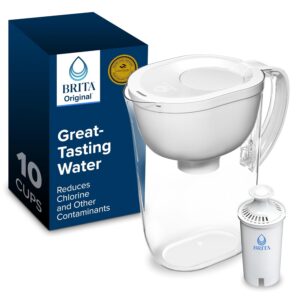
Brita Large 10-Cup Water Filter Pit…
Drink healthier, great tasting tap water with this BPA free Brita 10 cup water pitcher. With…