How to Create a Safer Home Environment for Babies and Toddlers
Keeping infants and toddlers safe at home is a daily, practical task that pays off in reduced injuries, fewer toxins in the environment, and more peace of mind. A safer home is about removing immediate hazards and making choices that protect developing bodies over time.
This guide walks through focused steps you can take room-by-room, with straightforward actions and product categories to consider when you’re ready to swap in safer options.
Baby-proofing basics: start with organization and zones
Clear sightlines, organized storage, and simple barriers are the foundation of a safe home. Create low-to-the-floor “play zones” and keep fragile or choking-risk items out of reach. When storing clothes, bedding, or seasonal items, choose storage that’s non-toxic and durable to avoid chemical off-gassing and accidental spills — for example, consider using Eco-Friendly Storage Bags for neatly packing away items out of reach.
Safe sleep environment: reduce risks in the nursery
Follow safe sleep guidance: firm mattress, fitted sheet, no loose bedding or soft toys for infants under 12 months. Use protective layers that are breathable and free of harsh finishes; a well-fitting mattress protector can prevent fluids from degrading the mattress and reduce dust-mite exposure. Look for certified, chemical-minimized options like Organic Mattress Protectors.
Feeding and hydration: safer bottles, cups and surfaces
Babies and toddlers explore by tasting, so choose feeding gear with tested, low-toxicity materials. For toddlers transitioning from bottles, select cups designed to be free of BPA and phthalates to avoid unnecessary exposure. Practical options include durable and tested BPA-Free Sippy Cups for everyday use.
Non-toxic cleaning: keep surfaces clean without harsh chemicals
Frequent surface cleaning reduces germs but many conventional cleaners contain irritants and chemicals best avoided around young children. Use cleaners formulated to be gentle yet effective, and store all cleaning products locked away and out of reach. Swap to safer cleaners from trusted categories such as Non-Toxic All Purpose Cleaners for countertops, toys, and high-touch areas.
Laundry and linens: minimize irritants on skin and bedding
Babies’ skin is thin and reactive. Choose laundering practices and bedding that reduce residues and allergens. Wash new clothes and linens before first use, rinse thoroughly, and pick naturally breathable fabrics. Durable, easy-to-wash options such as Washable Cotton Blankets are practical for naps and bedtime and help you avoid synthetic, heat-trapping materials.
Toy and play-area safety: small parts, finishes and cleaning
Select toys with simple finishes, strong construction, and non-toxic paints or natural materials. Avoid brittle plastics and anything with small detachable parts for children under three. Natural wooden options are often safer and more durable; explore responsibly made choices like Wooden Baby Toys for learning and teething play.
Water safety in the home: test, filter, and serve safely
Tap water quality varies by location and can be a source of heavy metals and other contaminants. Test your water if you use well water, live in older homes, or notice odors/taste changes. Home testing is simple and affordable — consider professional-level kits that test for lead, copper and other common contaminants like the Advanced Home Water Test Kit to identify issues that warrant filtration or plumbing fixes.
Air quality, humidity and temperature: simple monitoring and control
Indoor air quality affects sleep, skin and respiratory health. Maintain moderate humidity, reduce dust and ventilate regularly. Use a small monitor to watch humidity trends and prevent mold-friendly conditions. Practical monitoring tools such as Humidity Monitors help you time ventilation or use a dehumidifier in damp areas.
Quick safety checklist
- Install window guards and secure blind cords out of reach.
- Use outlet covers and anchor furniture to walls.
- Store cleaners and medications in high locked cabinets.
- Test tap water and filter if needed.
- Choose non-toxic cleaning products and gentle laundry options.
- Rotate toys, discard damaged items, and buy age-appropriate designs.
- Monitor humidity and ventilate to reduce mold and dust mites.
FAQ
Q: How often should I check my home for new hazards?
A: Do a quick sweep weekly for obvious hazards (small objects, loose cords), and a more thorough room-by-room check every 3 months — or immediately after any changes like new furniture or renovations.
Q: Are “natural” products always safer for babies?
A: Not always. “Natural” isn’t regulated; check ingredient lists and third-party certifications. Prefer cleaners and products labeled non-toxic with clear ingredient transparency.
Q: When should I test my drinking water?
A: Test if you have a private well, live in an older home, notice discolored or odd-smelling water, or if a vulnerable child drinks the water regularly. Annual or biennial testing is a good routine for many households.
Q: What room is most important to childproof first?
A: Start with the rooms where the child spends the most time — usually the nursery, bedroom, and main living area. Focus on sleep, play, and feeding spaces immediately.
Q: How do I choose safe toys for teething?
A: Choose solid, non-toxic materials without small parts or loose finishes. Look for reputable suppliers and avoid toys with PVC, BPA, or phthalates when possible.
Conclusion
A safer home for babies and toddlers is built by stacking small, practical steps: eliminate immediate dangers, choose lower-toxicity products, monitor water and air, and keep storage and routines simple. Start with one room this week — test the water, swap a cleaning product, and secure furniture — and build from there. Those small changes add up to a noticeably safer environment.
Products Featured in This Article
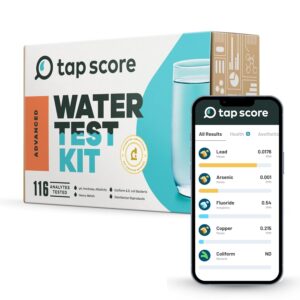
Advanced Home Water Test Kit | Well…
Product description Take care of your home’s health – start by easily testing your water Whether…