Making your home safer for kids, pets, and guests doesn’t require a full remodel — it’s a matter of practical choices and consistent habits. This guide walks you through targeted, easy-to-implement steps that reduce common hazards and make your space more comfortable for everyone who uses it.
Focus on three things: remove or reduce immediate risks, replace hazardous items with safer alternatives, and create routines that keep safety in place. Below are clear, room-by-room recommendations plus checklists and frequently asked questions to help you act quickly and confidently.
Living Room: Secure, tidy, non-toxic
The living room is where most family time happens, so start by securing furniture and managing trip or tipping hazards. Anchor bookcases and TVs to studs, move heavy items away from edges, and tuck cords into cord covers or behind furniture. Keep small objects and remote batteries out of reach.
For daily cleaning and spot maintenance choose gentle options that are effective without harsh fumes — swap conventional sprays for safer formulas that clean well around kids and pets. Consider using certified Non-Toxic All Purpose Cleaners for surfaces and upholstery to reduce irritation and residue.
Kitchen: locks, storage, and safe food handling
The kitchen presents sharp, chemical, and burn risks. Install cabinet locks for cleaning products and knives, use a stove guard or knob covers if toddlers are present, and keep hot liquids away from table edges. Store heavy pans and glassware on lower shelves to avoid lifted-reach accidents.
For safer food storage and to avoid choking hazards from plastics, adopt reusable, food-safe wraps and containers. Swap single-use plastics for sustainable alternatives like Plastic-Free Food Wraps and clearly label leftovers to prevent spoilage-related risks.
Bathroom: temperature control, slip prevention, clean products
Bathrooms are a common spot for slips and scalds. Set your water heater to 120°F (49°C) or lower to reduce scald risks, and use anti-slip mats inside and outside the tub or shower. Lock medicine and chemical cabinets or place them well out of reach.
Choose cleaning products formulated for households with babies and sensitive skin to avoid leaving harmful residues on tub surfaces and fixtures. Use purpose-made Baby Safety Cleaning Products for tubs, toys, and changing areas to maintain hygiene without aggressive chemicals.
Bedroom & Sleep Safety: bedding, allergens, and secure sleeping spaces
Bedrooms should prioritize safe sleep and allergen management. Use breathable, well-fitting mattress protectors and avoid loose bedding or layered pillows in cribs. For adult and guest rooms, keep walkways clear and use nightlights to reduce falls in the dark.
Protect mattresses and reduce dust-mite exposure with an Organic Mattress Protectors, and pair them with Hypoallergenic Pillow Covers on frequently used pillows. These swaps help guests with allergies and create a cleaner sleep environment for kids.
Babies & Toys: choking prevention, material safety, and rotation
For infants and toddlers, inspect toys regularly for loose parts, peeling paint, or small detachable pieces. Choose age-appropriate toys and keep a small bin of approved toys accessible so young children aren’t tempted to play with unsafe items.
Prefer items tested and labeled as free from harmful chemicals; for playtime, opt for certified Non-Toxic Baby Toys and rotate a few clean toys weekly to limit the spread of germs and reduce clutter. Always follow manufacturer age recommendations.
Pets & Guests: feeding, routines, and shared spaces
Pets add joy but also extra safety tasks. Choose durable, stable bowls to prevent spills and tipping; place food and water dishes in low-traffic spots. Store pet medications and toxic foods well out of reach of kids.
For durable, non-tip feeding options consider a reliable set like the Green Pet Crock Bowl – 2 Pack. Also establish a cleaning routine to remove hair and dander in shared spaces before guests arrive.
Air and Water: simple monitoring and improvements
Good indoor air and safe drinking water reduce health risks and discomfort. Control humidity to deter mold growth and use exhaust fans when showering or cooking. Change filters and vacuum regularly to keep airborne dust levels down.
Test well or municipal water for heavy metals and contaminants if you have older plumbing or concerns about taste and odor. Use a certified Water Testing Kits to identify issues early and decide whether filtration or pitchers are needed.
Cleaning and Routine Habits that Make a Difference
Safety is ongoing — set weekly tasks: secure loose items, check locks, wipe down high-touch surfaces, and run a quick toy inspection. Keep a small first-aid kit accessible and a list of emergency numbers by every phone or on the fridge.
- Anchor furniture and secure cords.
- Lock medicines and hazardous cleaners out of reach.
- Set water heater to safe temperature; use anti-slip mats.
- Choose non-toxic cleaners and baby-safe products for high-touch areas.
- Test water if you suspect contamination; monitor humidity.
- Rotate and inspect toys; remove choking hazards immediately.
- Use stable, non-tip pet bowls and tidy pet areas before guests arrive.
Checklist: A 10-minute walk-through
- Are TV/bookcases anchored? (Yes/No)
- Are cleaning products and meds locked? (Yes/No)
- Any small objects within child reach? (Yes/No)
- Water heater set to 120°F or lower? (Yes/No)
- Anti-slip mats in bathrooms? (Yes/No)
- Safe sleep setup for infants? (Yes/No)
- Pet bowls stable and out of traffic? (Yes/No)
- Air and water monitoring done recently? (Yes/No)
FAQ
Q: How often should I check for toy damage?
A: Inspect toys weekly for broken parts and perform a deeper check monthly, especially for items toddlers use frequently.
Q: Are “natural” cleaning products always safe for kids and pets?
A: Natural scents and ingredients can still irritate; choose products labeled non-toxic and formulated for baby-safe use, and always follow dilution instructions and rinse where directed.
Q: What is the quickest way to reduce indoor allergens?
A: Regular vacuuming with a HEPA-capable vacuum, washing bedding weekly in hot water when possible, and using mattress and pillow covers cut allergens substantially.
Q: How do I know if my water needs testing?
A: Test if you have old plumbing, unusual taste/odor, health concerns, or if you use well water. A home test kit provides a good first assessment.
Q: What’s the best approach to pet-proofing around guests?
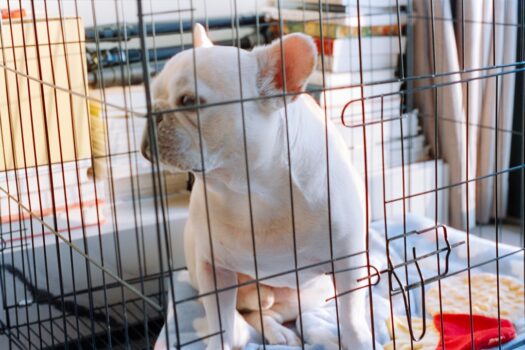
A: Create a designated pet zone away from guest seating, crate or confine if needed during visits, and remove toys and bowls from common guest areas to reduce tripping and allergy triggers.
Conclusion
Start with the highest-risk areas: secure furniture, lock away hazards, and swap in safer products for cleaning, bedding, toys, and pet supplies. Small, consistent steps — supported by the right products and a short weekly routine — dramatically reduce accidents and make your home welcoming for kids, pets, and guests.
Products Featured in This Article

Green Pet Crock Bowl – 2 Pack…
Product description The video showcases the product in use.The video guides you through product setup.The video…