

The Ultimate Beginner’s Checklist for a Non-Toxic Home
Creating a non-toxic home doesn’t require a full renovation or a huge budget. Small, targeted swaps and a practical approach will reduce common household exposures and make your space safer and more comfortable.
This guide gives a clear, room-by-room checklist and simple actions you can take today. Use it as a reference to prioritize changes and build a lasting, healthier home environment.
Start with a quick home audit
Walk each room and note obvious sources of chemicals and irritants: strong-smelling cleaners, synthetic-scented candles, plastic food wrap, old foam pillows, or visible mold. Prioritize changes where children, pets, or people with sensitivities spend the most time.
Score each room 1–3 for risk (1 = low, 3 = high). The highest-scoring rooms are where you should start replacing products or improving ventilation.
Air and humidity control
Indoor air quality is often overlooked but is one of the easiest areas to improve. Start by increasing ventilation and reducing sources of combustion (e.g., unvented gas stoves). Monitor conditions so you can act when problems appear: high humidity promotes mold; very dry air increases dust and irritation.
Use a reliable humidity monitor to track moisture and avoid guesswork. Aim to keep relative humidity between 30–50% and address persistent spikes quickly to prevent mold growth.
Water and drinking safety
Treated municipal water is generally safe, but taste, chlorine, and occasional contaminants are common worries. For daily drinking water, a pitcher filter is a low-cost, effective step that reduces chlorine, bad tastes, and some heavy metals.
Consider a dependable option like the Brita Large 10-Cup Water Filter Pitcher for kitchen counter use — it’s simple to maintain and reduces common contaminants that affect flavor and odor.
Cleaning: safer products and routines
Avoid cleaners with synthetic fragrances, quats, or unnecessary antimicrobial additives. Instead, use plant-based or simple ingredient formulas for routine cleaning. They accomplish most household tasks while minimizing irritating VOCs and residues.
Switch to certified non-toxic all purpose cleaners for countertops, floors, and common surfaces. Reserve stronger disinfectants for specific instances (like a confirmed illness), and always ventilate during and after use.
Laundry and textiles
Residual chemicals in laundry detergents, dryer sheets, and some fabric treatments can irritate skin and contribute VOCs to indoor air. Choose fragrance-free, plant-based detergents and avoid fabric softeners with synthetic fragrances.
Invest in non-toxic laundry products and wash new clothing and linens before use to remove finishes. For sensitive sleepers, wash bedding weekly and use hot water when fabric care allows.
Kitchen swaps and safe food storage
Reduce plastic contact with food by using safe alternatives for storage and reheating. Avoid microwaving food in plastic containers and remove cling wrap or single-use plastics where possible.
Replace disposable wraps with plastic-free food wraps or glass containers. These keep food fresh without the risk of plasticizers or PFAS migration into meals.
Bedroom and sleep safety
Bedding can off-gas chemical finishes or trap dust mites and allergens. Choose natural or certified materials and protect mattresses and pillows to reduce exposure to dust, spills, and pests.
Use hypoallergenic pillow covers to block dust mite allergens and consider mattress protectors made from breathable, natural materials as a next step. Wash pillow covers and sheets regularly in hot water when appropriate.
Families with babies and kids
Young children put things in their mouths and are more vulnerable to chemical exposures. Choose toys, feeding gear, and cleaning products designed for baby safety, and keep floors and surfaces clean of dust and residue.
Use certified baby safety cleaning products for high-contact areas, and opt for solid materials (wood, stainless steel, glass) for toys and dishes when possible.
Shopping and storage: smart product choices
Bring reusable bags and storage that reduce single-use plastics and limit off-gassing from cheap synthetics. Choose durable items you can wash and reuse to lower long-term exposures and waste.
Stock up on reusable grocery bags and durable food storage to avoid thin plastic bags and wraps. When organizing, favor breathable, natural-fiber boxes or bins over sealed vinyl alternatives.
Practical checklist
- Conduct a room-by-room audit and score risk (1–3).
- Buy a humidity monitor and check humidity weekly.
- Switch drinking water to a filtered pitcher like the Brita pitcher.
- Replace one harsh cleaner each month with a non-toxic all-purpose cleaner.
- Swap to non-toxic laundry products and wash new linens before use.
- Use plastic-free food wraps and reusable containers for leftovers.
- Fit pillows with hypoallergenic pillow covers and launder weekly.
- If you have children, switch to baby-safe cleaning products for surfaces they touch.
- Bring reusable grocery bags to reduce single-use plastics.
FAQ
Q: Where should I begin if I’m overwhelmed?
Start with one room and one category — for example, replace kitchen plastic wraps with plastic-free alternatives and switch to a non-toxic all-purpose cleaner.
Q: How do I know if my indoor air is a problem?
Persistent odors, frequent headaches, nose or throat irritation, or visible mold are signals. A humidity monitor helps you identify moisture issues that lead to mold.
Q: Will non-toxic cleaners really clean as well?
Yes. For routine cleaning, plant-based and simple-ingredient cleaners remove dirt and grease effectively. Reserve stronger disinfectants for necessary situations and follow label instructions.
Q: Are filtered pitchers worth it compared to bottled water?
Pitcher filters reduce chlorine and certain contaminants, improve taste, and reduce plastic waste compared with bottled water. They’re a cost-effective daily option for most households.
Q: How often should I launder bedding to reduce exposures?
Wash sheets and pillowcases weekly. Wash mattress protectors and pillow coverings every 1–3 months, or more often if someone is ill or allergic.
Q: Can I reduce toxins without spending a lot?
Yes. Prioritize low-cost changes: improve ventilation, remove scented products, launder fabrics, use a pitcher filter, and replace one toxin-heavy product at a time.
Conclusion: a practical takeaway
Make one measurable swap this week — monitor humidity, replace a single cleaner, or switch to plastic-free food wraps. Small, consistent changes add up and make a noticeable difference in indoor air, water quality, and everyday exposures.
Products Featured in This Article
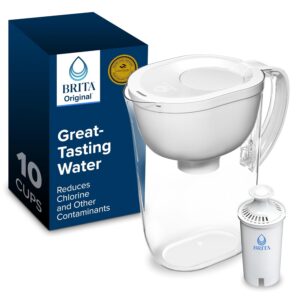
Brita Large 10-Cup Water Filter Pit…
Drink healthier, great tasting tap water with this BPA free Brita 10 cup water pitcher. With…